


Leading with empathy: Why human-centred leadership builds better workplaces

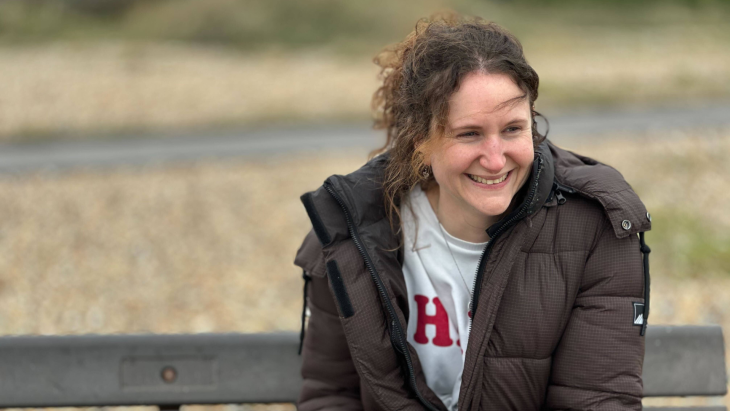
On the outside, People Operations might sound like an HR function. But it can be more holistic. It can be about creating environments where people feel safe to show up as they are.
Almost 10 years and four (or five) different roles into my career at Brightec, I’ve realised that being ‘me’ — empathetic, needs a plan, likes routine, sometimes unsure of myself — isn’t something to fix. It’s a skill that can connect dots that might otherwise go unnoticed, make things happen, and deepen relationships.
I have always struggled to explain my role…
‘I get stuff done.’
‘I remind people what needs doing that I can’t do myself.’
‘I know the right person to ask.’
‘I make sure things are in place so other people can do their job well.’
Our Communications Coordinator, Emily, recently said, ‘You’re the cog that joins everyone together’. I realised that it’s similar to the role I fulfilled at my previous job, just in a different context. It’s a way I approach the world that managers have seen and nurtured into a business asset.
As a child, I never quite fitted in but floated between groups. In adult life, I have deep friendships with a select few who connect me with wider groups. At work, my role doesn’t fit into one sole department, but is a bridge that joins or overlaps them all. It was fascinating to me to notice that pattern. It’s not just the role I’m paid to do - it’s the person I am.
Personal and work life are beautifully, messily intertwined, and the best thing you can be in both is yourself. They aren’t two distinct entities; they are just you. Bringing all of me — the yoga teacher, list-maker, overthinker, potentially over-sensitive human — into work makes me better at it. Workplaces need more listening, empathy, honesty. More people who bring their whole selves, not just their job titles. What is a job title without the human holding it?
The roots of care in culture
I believe my core job role is to help create the conditions for people to do their best work, and feel safe, seen, and valued doing it. Sometimes that means stocking toilet roll, soap, coffee beans, milk, pens that work and post-its to doodle on. Sometimes it might be taking something to the post office so someone else can join a meeting without stress.
These small things are the foundations of trust. A silent ‘I’ve got you’. And trust builds the kind of teams that communicate more efficiently, collaborate with ease, and ultimately deliver better work. I don’t do this alone; it’s ingrained in our culture. ‘Loyalty Legend’ is by far our most regularly given kudos. Find out more about Brightec’s ritual of kudos giving here.
At Brightec, we often talk about creating a culture that feels human, not just functional. That takes daily, deliberate effort. My work sits in the quiet space between people and process. People are more than data (which is lucky as I’m awful at spreadsheets), and feedback drives positive change if we ask and listen.
The seasons of growth
I was made redundant six weeks into my first job out of university, and picked up a belief that you’re never safe at work. It’s taken years to soften that.
When I joined Brightec in 2016, my top StrengthsFinder theme was Responsibility. It was also my biggest weakness. I held myself personally accountable for everything, and it weighed heavily every day. When I redid the test last year, Responsibility had moved down, and Relator had moved up. That makes sense to me: I thrive on genuine, deep relationships built on trust and care.
I didn’t grow in isolation. I grew because people made space for me; mentors who believed in me before I did, and a culture that genuinely valued care and openness alongside development (pun not intended!). My role suits me because it plays to my strengths; not fighting who I am, but working through it.
I’ve always been a ‘feeler’... I pick up dynamics in a room, pauses, tones, the person who hasn’t spoken up, or the weight behind someone’s smile. ‘Selfishly’, having almost crippling high levels of empathy means I want people to feel safe so that I can relax too!
In my early years at Brightec, I worried that this way of being might hold me back. I thought I needed to be tougher, louder, more certain of myself. I thought I needed to be better at spreadsheets and technical thinking. But we already had team members with those strengths. My skills were valuable because they’re different.
I’ve learned that sensitivity is a strength that, when nurtured, builds trust, connection, and community. Explaining what I see in someone’s behaviour is a much bigger driver for positive change than telling someone their way of doing something isn’t working. My fear of getting it wrong helps me to ask ‘how do you feel about that?’ before stepping in and enables me to meet people where they are. How can you know how to react or help someone, when every person is different? Some want immediate support. Some people, like me, hate being asked “how are you?” in the moment, but will share openly the next day.
I learn by watching, noticing, and asking. Sometimes I get it wrong. I say so, and ask how I can support them better next time — curiosity rather than self-criticism.
Some days I’m a calm presence, and the right person to listen in someone else’s tough moment. Other days I arrive with a busy mind, rush through things and put pressure where I don’t mean to. Instead of covering it up, I now say, 'I didn’t approach that how I’d have liked. How are you doing today?’. People connect through shared vulnerability.
Mentorship and company culture
As someone with a sometimes crippling sense of responsibility, hearing ‘what can I help you with? ’means everything. When the invisible weight rolls off your shoulders and you realise that in your panic to get something done, you’d forgotten to breathe. Telling someone might not get the job done, but it can help you feel better. I don’t always know the answer but I often know who might. Saying, 'let’s work it out together’ creates safety. At Brightec, we call this Collective Responsibility.
Care is woven into how we communicate at Brightec, how we lead projects, how we talk to one another when things go right, and when they don’t. These aren’t grand strategies. They’re daily practices.
Our MD, Josh, has seen me cry more times than I care to remember, not because of work, but because it was safe to say, ‘I’m struggling’. That safety shaped me. When people have time to talk things out, they walk away lighter, clearer, and more ready to focus.
Our Founder, Andy, has reminded me often that I can, and do, bring a human approach to the workplace — the company that he dreamt of building over 15 years ago.
Our Head of Operations, and my mentor, Georgia, recently encouraged me to slow down. As someone who loves getting things done, I have a habit of bowling in before everyone is clear on a shared goal. She suggested walks, mindful breaths, pauses before action. That advice might sound a bit ‘woowoo’ to some, but it shows how deeply I am known by my mentor. She reminded me that I can be myself at work, not just the parts that feel ‘business-like’.
That style of leadership gives me permission to do the same for others. The ripple effect is real; creativity rises, conflicts resolve faster, and teams start to lead themselves.
Questions that help me to help others
Much of my work is listening. In stand ups I often hear stresses or struggles that are coming up for people in their work that they might not give out if asked. That knowledge let’s me check in later and ask, ‘how are you getting on with that?’ People feel known and recognised, not just for the work they’re doing but how they are finding it.
In my role I’m aware of who is off sick, so I always remember to ask how they’re feeling on their return; a little check in that they feel well enough to work, before they even log their sick leave. It could be a very functional transaction, but I want them to know that we care.
I’m also quite curious (or nosy) and I love travel so when someone returns from annual leave, I naturally ask, 'how was your holiday!?’ or before they have a day off ‘what have you got planned?’ and afterwards, ‘how did that go?’. I also love it when someone asks me those questions on my first day back from a holiday; it makes you feel appreciated — that your presence was missed.
Some days when someone looks like they’re carrying too much, ‘Can I help?’ goes a long way. It empowers people to solve their own problems, but reminds them you’re there to support them if they need it.
As a child, I always asked my mum to sit in the room while I did my homework, not to help, just to be there. I think I’ve carried that silent support into my work. Aren’t we all just looking for that same gift of someone’s time?
Some days care is being the calm in the storm.
Other days, it’s listening without fixing.
Sometimes it’s asking, ‘How are you really doing today?
How would that feel for me?
Empathy (and over-thinking) runs deep in my DNA. Questions I often ask myself before I act…
How would I feel if that was said to me?
What could have happened that made them act that way?
What would I need to feel ok in this?
It can be so helpful to explore something from another person’s perspective without assuming they feel exactly as I would!
Pause to reflect
Earlier this year I happened to be on the same flight (to Lisbon for those who want to know!) as the HR manager from my old job, almost 9 years to the day since I left. She recognised me before I even saw her, and remembered that I’d moved homes from London to Brighton - I felt so known.
There are so many workplaces where people are just numbers. I like to think I’m a bit like her now. I hope that our team feel that known, understood and valued. I didn’t set out to do it, perhaps I mirrored what meant so much to me.
If there’s one thing I hope people take from this, it’s that care and sensitivity are not weaknesses; they can be leadership qualities.
Looking for something else?
Search over 450 blog posts from our team
Want to hear more?
Subscribe to our monthly digest of blogs to stay in the loop and come with us on our journey to make things better!
